<img height="1" width="1" style="display:none;" alt="" src="https://px.ads.linkedin.com/collect/?pid=598321&amp;fmt=gif">
Skip to content

InnerSpace Recognized as Deloitte’s Fast 50™ Companies-to-Watch Winner for 2024  Learn More

Know How Your Campus Is Really Being Used. Before Your Next Big Decision.

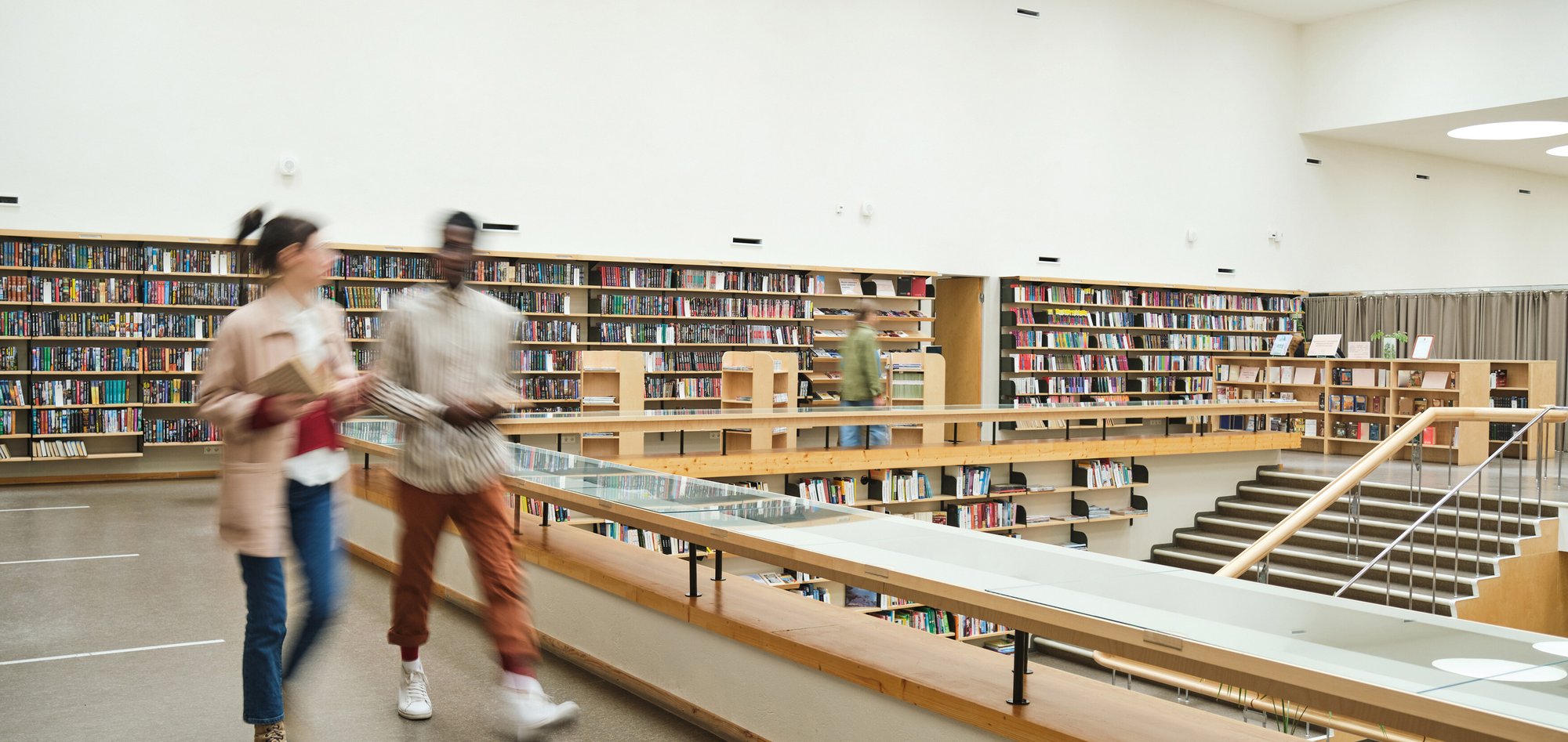
Students walk through a bright, modern university library surrounded by bookshelves and open study areas. The spacious learning environment features multiple levels, wide walkways, and extensive book collections, illustrating an active campus space that supports learning, research, and collaboration.
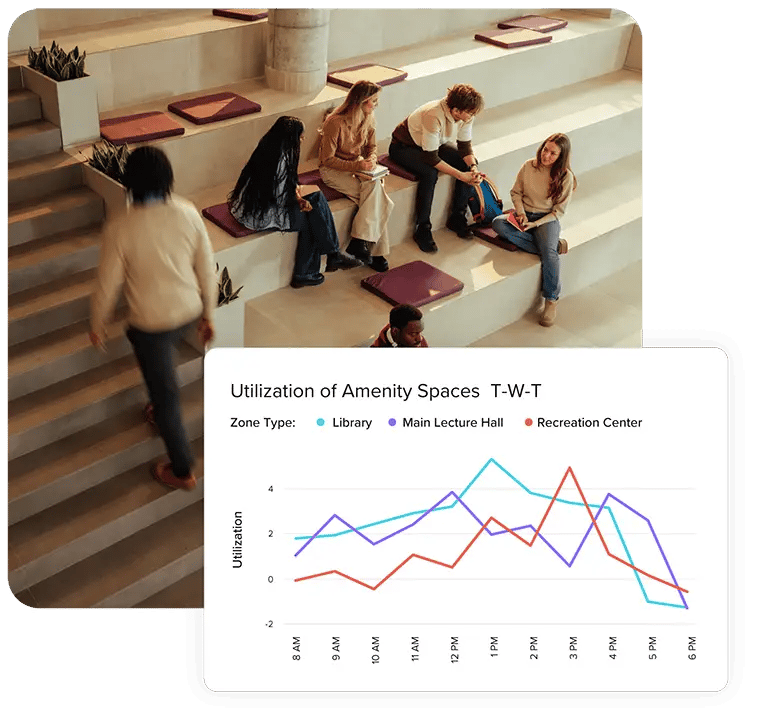
Students sit and socialize in a modern university commons with tiered seating while a data visualization overlays the image. The dashboard displays utilization trends for campus amenity spaces—including the library, main lecture hall, and recreation center—across different times of the day, illustrating how space analytics help universities understand student activity and optimize campus facilities.

Your Campus Is Changing. Your Data Needs to Keep Up.

​Higher education is changing and so is the way campus space is used.

Changing enrollment, evolving teaching models, hybrid learning, new expectations for student experience, aging infrastructure and increasing financial pressure are forcing institutions to make difficult decisions about where to invest, what to renovate, what to consolidate and how much space they actually need.

Those decisions are too important to make from assumptions or point-in-time studies alone.

InnerSpace provides objective utilization and behavioral intelligence that helps campus, facilities, finance and real estate leaders understand how their physical environments are actually being used over time - creating a stronger foundation for strategic planning, capital allocation and day-to-day operations.
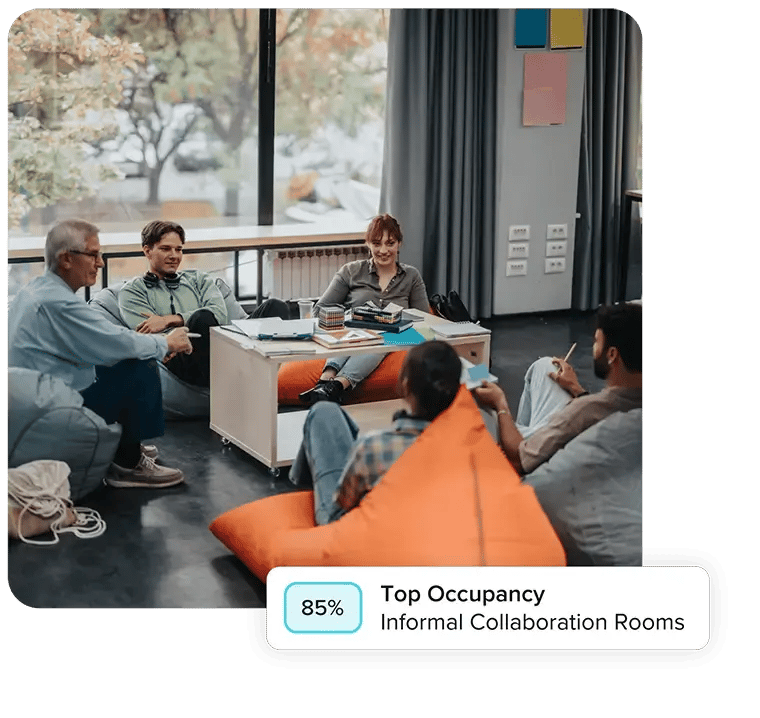
A group of university students gathers in a relaxed collaboration lounge, seated on bean bags and casual furniture while discussing ideas. An analytics overlay highlights that informal collaboration rooms have an 85% occupancy rate, illustrating how campus space utilization data helps universities identify popular learning and collaboration spaces.

Go Beyond Occupancy. Understand How Your Campus Actually Works.

Knowing whether a room or building is occupied is only the beginning.

InnerSpace helps institutions understand the behavioral patterns behind utilization: when people arrive, where they spend time, how long they stay, where demand concentrates and how patterns change across days, semesters and academic cycles.

That deeper understanding can help answer critical planning questions:

  • Are we short on space or is the space we already have poorly allocated?

  • Do classrooms and learning environments reflect how they're actually being used?

  • Which collaboration and student spaces attract sustained demand?

  • Where are administrative and faculty spaces significantly underutilized?

  • Which buildings experience peak pressure and when?

  • How did utilization change after a renovation, policy change or space reallocation?

Occupancy tells you whether space was used. Behavioral intelligence helps you understand how well the campus is working.
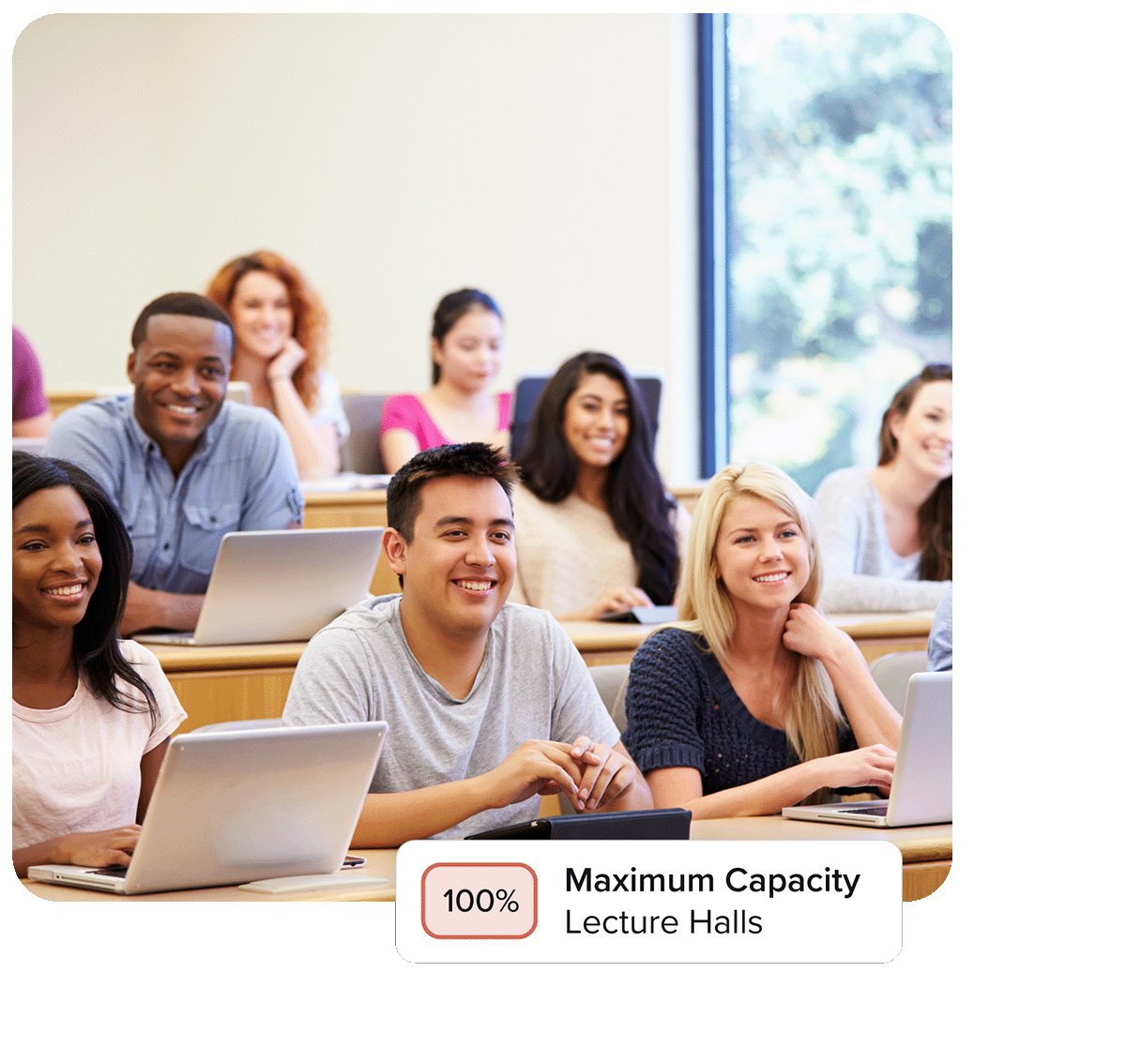
Students sit attentively in a university lecture hall using laptops during class. An analytics overlay indicates 100% maximum capacity in lecture halls, highlighting how occupancy data helps universities monitor classroom utilization and optimize academic space planning.

Before You Build More, Understand What You Already Have.


University campuses are complex portfolios of classrooms, offices, laboratories, libraries, student spaces, dining facilities and specialized environments—each with different demands and operating requirements.


InnerSpace provides a consistent view of utilization across the campus, helping leaders identify where space is performing well, where demand is concentrated and where existing capacity may be underused.


Use objective evidence to inform decisions about:

  • Renovation

  • Expansion

  • Consolidation

  • Space allocation

  • Capital investment. Operations.

Instead of automatically adding more space, institutions can first determine whether existing buildings and spaces can work harder. And when new investment is required, leaders have stronger evidence to support why.
Students walking through a modern university atrium between classes.

Build the Campus Data Foundation Before You Need It

One of the biggest limitations of traditional space studies is simple: you can't go back and collect data that wasn't captured.


A lease, renovation or capital decision made three years from now may depend on understanding how a building is being used today.


InnerSpace enables institutions to capture utilization data broadly across the campus using existing enterprise Wi-Fi, creating a historical foundation that can support decisions today and in the future.

Always On - Keep priority buildings and spaces continuously processed for ongoing visibility, reporting and workplace intelligence. Ideal for high-value buildings, strategic facilities, active transformation projects and environments where utilization needs to be continuously understood.


On Demand - Process data when a specific question or project arises. Use historical utilization intelligence to inform a renovation, consolidation, capital request, space-allocation decision, planning exercise or other strategic initiative.


One campus. Different needs. One data foundation. - You don't need every building analyzed at the same intensity every day. InnerSpace gives you the flexibility to get continuous intelligence where it matters, and access deeper insights elsewhere when the need arises.

One Data Foundation. Decisions Across Your Entire Campus.

Campus and Space Planning

Understand utilization and behavioral patterns across buildings and spaces to create campus plans based on actual demand.

Capital Planning

Bring objective utilization evidence into decisions about renovations, expansions, new construction and major capital investments.

Space Allocation

Understand where space is heavily used, where capacity exists and where departments may have opportunities to use space differently.

Facilities and Operations

Use demand patterns to better align cleaning, maintenance, building services and operational resources with when and where campus activity actually occurs.

Defensible Space Requests

Bring a shared source of objective evidence into departmental space requests, reallocations and discussions about additional space.

Consolidation and Optimization

Identify opportunities to consolidate, repurpose or reallocate underutilized administrative, faculty or other campus spaces.

Student Experience

Understand demand across libraries, collaboration spaces, dining environments and other student amenities to help improve campus experience.

Budget & Cost Optimization

Connect space utilization to operating and capital decisions so investments and resources can be directed toward the places delivering the greatest value.

Campus Intelligence Without Campus-Wide Sensor Deployment

Use the Infrastructure You Already Have

InnerSpace transforms your existing enterprise Wi-Fi into a source of campus utilization intelligence - without requiring thousands of dedicated occupancy sensors, new hardware or apps.

No Added Hardware

Leverage existing enterprise Wi-Fi instead of installing and maintaining dedicated occupancy sensor infrastructure across campus.

Go Beyond Device Counts

InnerSpace's patented technology transforms Wi-Fi data into people-level utilization intelligence rather than simply reporting connected devices.

Understand Behavior

Go beyond occupancy to understand dwell, movement, demand and patterns of space use over time.

Scale Across campus

Create a consistent intelligence layer across buildings, floors and spaces without approaching each location as a separate study.

Build History, Not Snapshots

Establish a longitudinal view of campus utilization that lets you understand change across semesters, years and major initiatives.

Get Insights When You Need Them

Keep strategic environments Always On and process other campus data On Demand as new questions and decisions arise.

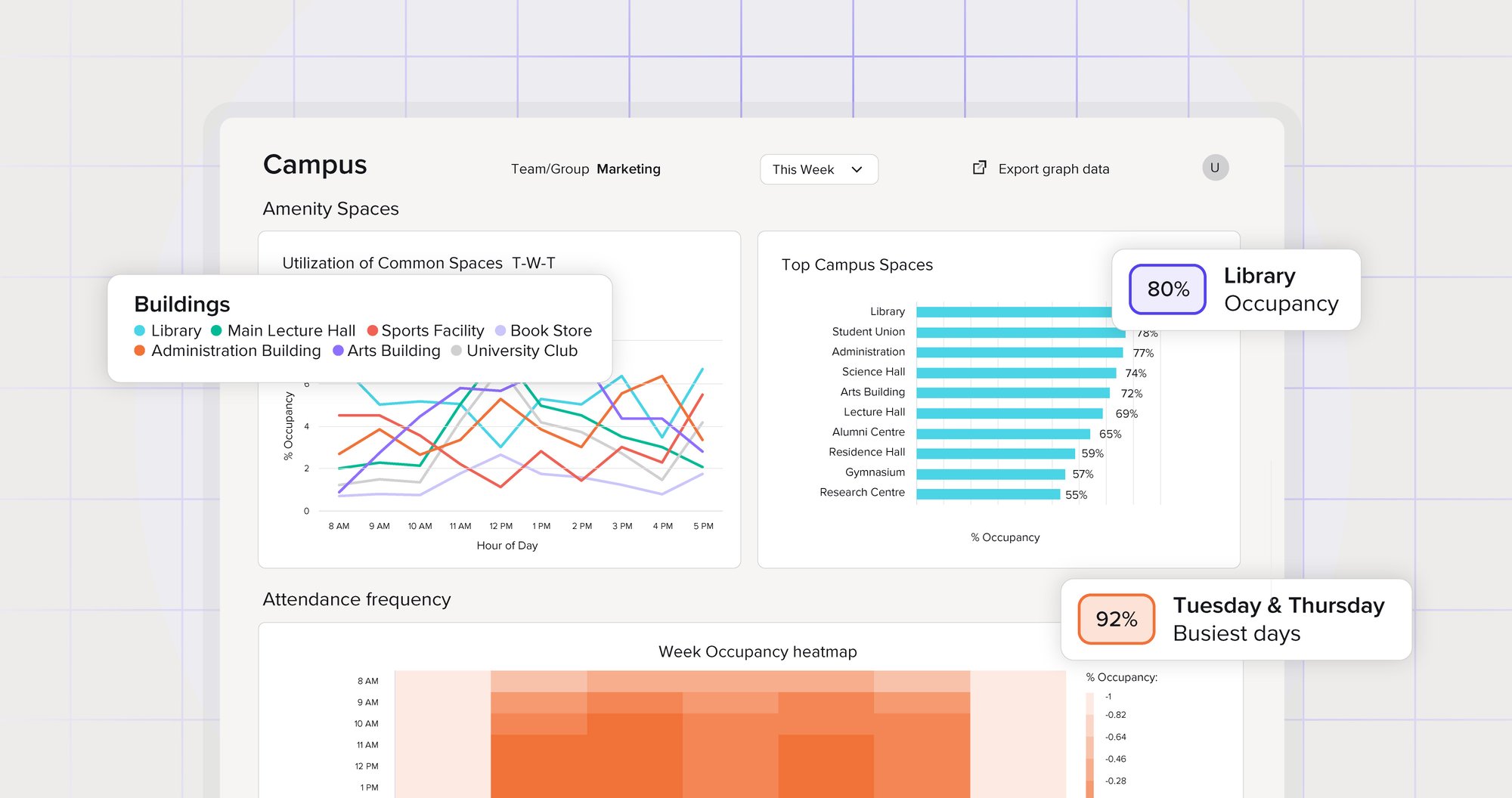
A campus analytics dashboard visualizes occupancy and utilization across university buildings and amenity spaces. The dashboard highlights 80% library occupancy, 92% attendance on Tuesdays and Thursdays, utilization trends by building, and a weekly occupancy heatmap, helping universities optimize campus operations and space planning.

InnerSpace Insights In Action

One campus on the eastern seaboard leveraged the InnerSpace platform to empower 20,000 students and staff to make informed choices on where and when they choose to dine on campus.

Student View

A professional smiles while working on a laptop at an outdoor café table with a coffee and smartphone nearby. The relaxed setting illustrates the flexibility of hybrid work, where employees can stay productive from a variety of locations beyond the traditional office.

Students on this campus will now be made aware of the current occupancy levels within each dining hall so they can determine when is a good time for them to grab lunch and dinner.


Through a simple app on their phone, students here will now have clear answers to questions that include:


  • Is now a good time to go to the main cafe?
  • If the traffic is too high there for my schedule, where else can I go?
  • What is the least busy dining option on campus right now?

Operations View

Two coworkers collaborate at a desktop workstation in a bright office. One employee sits at the computer while the other reviews information on the screen, illustrating teamwork, knowledge sharing, and data-driven decision-making in a modern workplace.

On the operational side of things, the college’s dining operations team will leverage this data to measure cafe performance, inform staff scheduling, and assess strategies to improve participation and satisfaction.


Through our analytics portal, school administrators will have a view into such answers as:


  • Are service speeds fast enough to support a positive dining experience?
  • Are cleaning schedules frequent enough given the daily or hourly traffic at each dining hall?

Know More Before Your Next Campus Decision

Your next renovation, consolidation, capital investment or space request shouldn't start with a new measurement exercise.


Build the data foundation now.


InnerSpace turns your existing enterprise Wi-Fi into ongoing campus utilization and behavioral intelligence - giving your teams the evidence they need to understand today's campus, evaluate tomorrow's decisions and continuously improve the environments where people learn and work.


No Sensors. No New Hardware. Better Campus Intelligence.
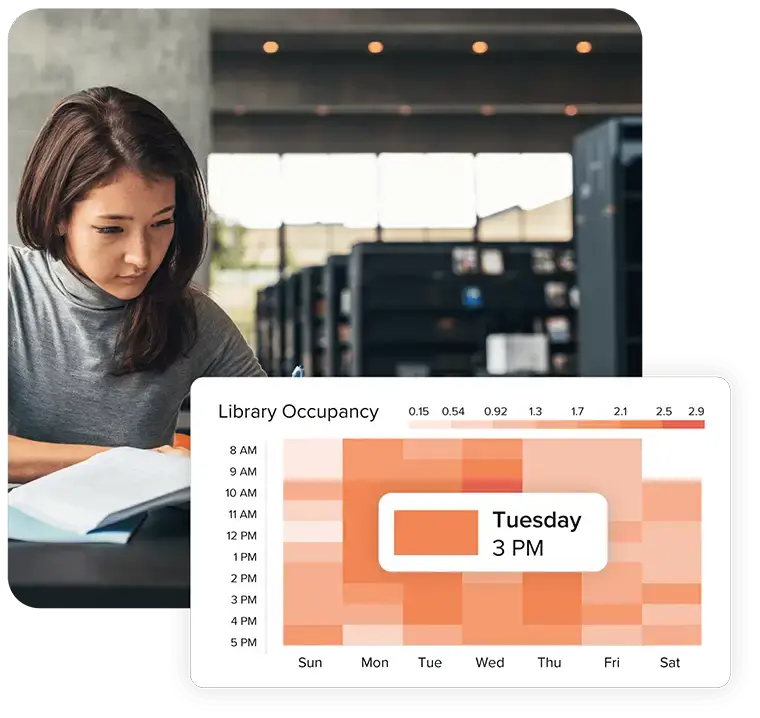
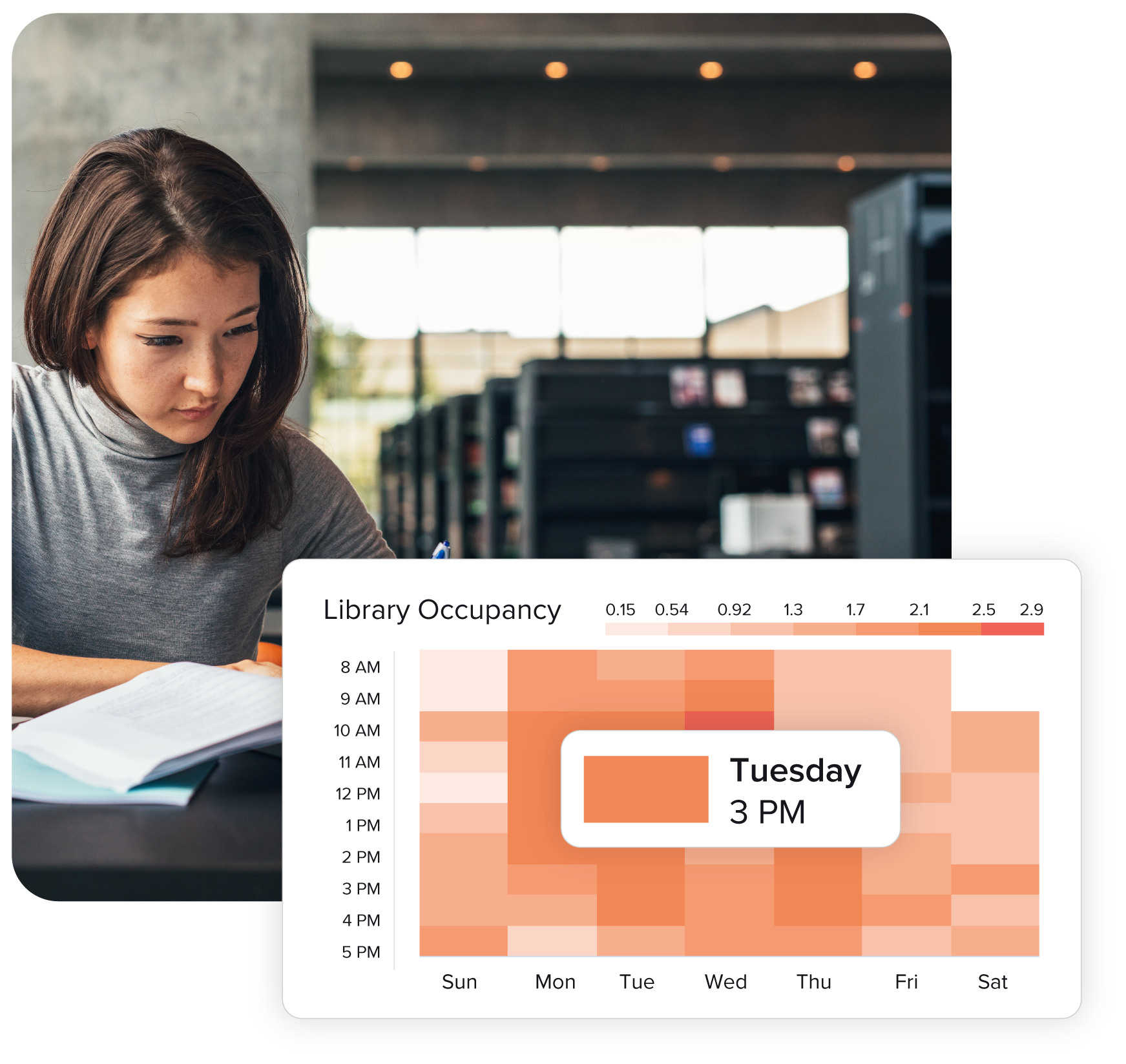
A student studies quietly in a university library while a heatmap overlay displays library occupancy throughout the week. The visualization highlights peak usage on Tuesday at 3 PM, demonstrating how occupancy analytics help universities understand space demand and optimize library operations.
shape-the-future

Shape the future of your university campus with InnerSpace

Create spaces that inspire, empower, and drive excellence in education while ensuring that you manage expenses and plan resourcing effectively.

Contact us today to explore how we can transform your campus facilities into thriving hubs of learning and innovation.

Book a demo
A group of university students stands together in a bright, modern campus atrium, talking between classes. The open architectural space and informal gathering illustrate the importance of shared campus areas that foster collaboration, connection, and student engagement.